
Highlights
Director-General

News
El Niño is coming. Here is where the risks to agriculture are highest
FAO experts map where crops and pasturelands are most vulnerable to drought

News
A new FAO report examines how shocks affect global coffee, cocoa and tea markets
Analysis finds supply and demand shocks drive most price swings, with producers and consumers affected differently

FAO and the International Coffee Organization renew longstanding partnership
QU Dongyu highlights the need for coffee sector to strengthen resilience, improve market transparency and reinforce international cooperation

Interactive story
Our achievements: A look at the 2024-25 biennium
Explore the results of FAO's work in 2024-25. This interactive overview shows how we contributed to the transformation of agrifood systems and the Sustainable Development Goals.

Campaign
International Year of Rangelands and Pastoralists 2026
Explore the vital role of rangelands and pastoral communities in sustaining ecosystems, cultures and food security worldwide.

In Focus
FAO response to global food security challenges
Data analyses, policy recommendations, and actions on the ground.

Story
Hilltops and teacups
How Rwanda is maximising its hilly landscape and boosting up small-scale farmers for quality tea production.

Publication
The State of Agricultural Commodity Markets 2026
Explore FAO’s latest flagship publication and discover the linkages between food trade and nutrition.

Data
Tracking water consumption around the world
Using satellite data, our WaPOR tool monitors agricultural water productivity at different scales. Access the database now.
Director-General
FAO and the International Coffee Organization renew longstanding partnership
QU Dongyu highlights the need for coffee sector to strengthen resilience, improve market transparency and reinforce international cooperation
Join the conversation
Voices of Impact
More shade for more cocoa in Côte d'Ivoire
09/07/2026
In Côte d'Ivoire, cocoa farmers are restoring degraded land and building climate resilience through agroforestry. Discover how Sylvie doubled her cocoa production in just two years, while Nicole is scaling up sustainable farming through a cooperative that provides farmers with essential equipment and labor.
Video
Celebrating women farmers vanilla growers in Tonga
23/06/2026
How an inspiring young farmer is contributing to making agriculture a thriving business
Podcast
The State of Agricultural Commodity Markets 2026 | SOCO Special Episode | The Work We Do
09/07/2026
In this episode of The Work We Do, we speak with FAO Senior Economist George Rapsomanikis and Economist Andrea Zimmermann about The State of Agricultural Commodity Markets (SOCO) 2026. They examine how shocks affect food trade and its implications for food security, what makes global markets resilient, and why international cooperation matters more than ever.
Data
FAO Food Price Index 2023-2026
2020 World
31.2%
2010 World
31.5%
In depth

In Focus
Discover the enhanced FAO Transparency Portal
Explore new dashboards on programme, budget and HR, alongside updated project data, for deeper insights into how we work.

Publication
Medium Term Plan and Programme of Work
The Director-General’s Medium Term Plan 2026-29 and Programme of Work and Budget 2026-27.

In Focus
FAO Data Lab
The FAO Data Lab for Statistical Innovation modernizes the statistical business process, with a specific focus on emergency contexts, when having access to timely information is very important.
Discover the Globally Important Agricultural Heritage Systems (GIAHS)

FAO and the SDGs
Hover the mouse over an SDG icon for more information
A world free from hunger and malnutrition where food and agriculture contributes to improving the living standards of all
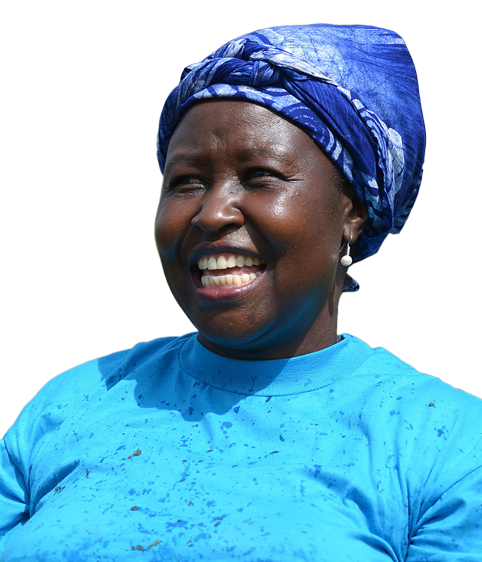
FAO works with governments and partners to empower some of the world’s most marginalized people to end rural poverty.
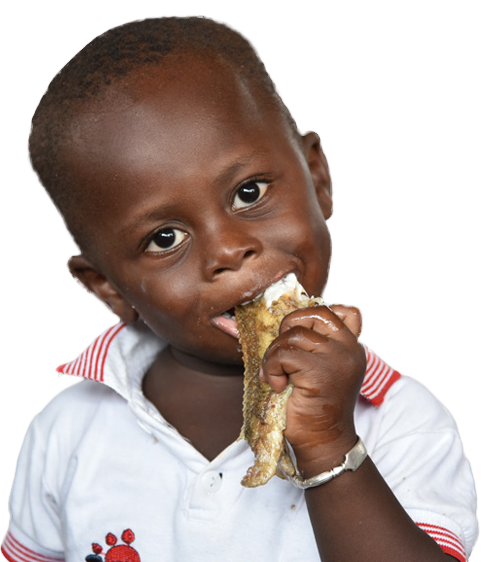
FAO helps ensure food security by developing ways of growing food that will work in the future so that millions of people don’t go hungry.
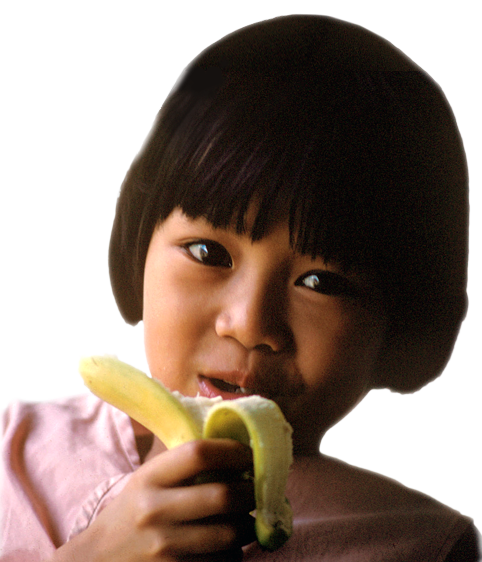
Good health starts with nutrition. FAO sets global standards and works with governments and the private sector to ensure food quality and safety throughout the food chain.
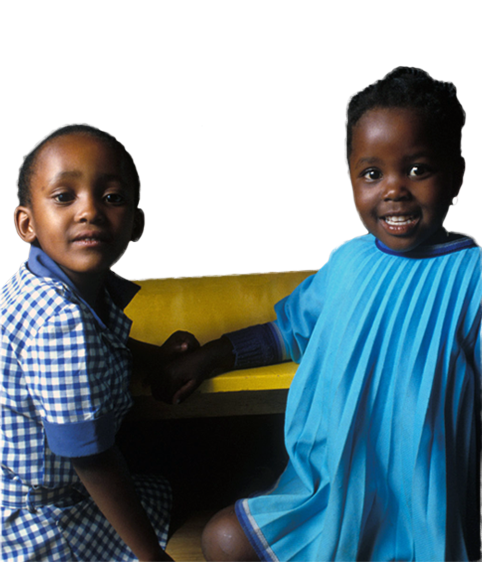
FAO invests in educational systems for rural communities and supports improved access to primary education and school meals in order to create equal opportunities for all and chances of lifelong learning.
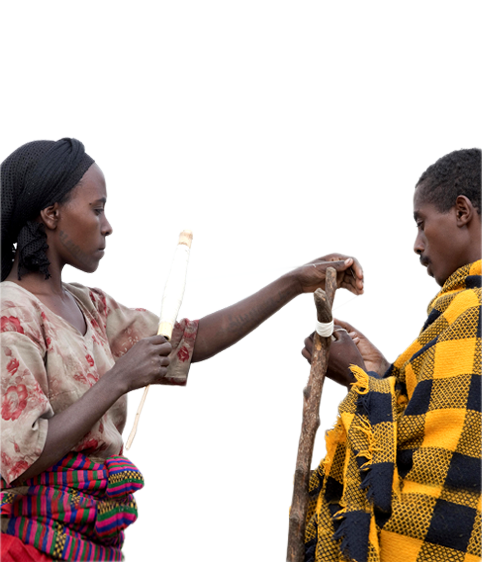
FAO supports gender equality in the agricultural sector in an effort to raise levels of nutrition in local communities and improve agricultural productivity.
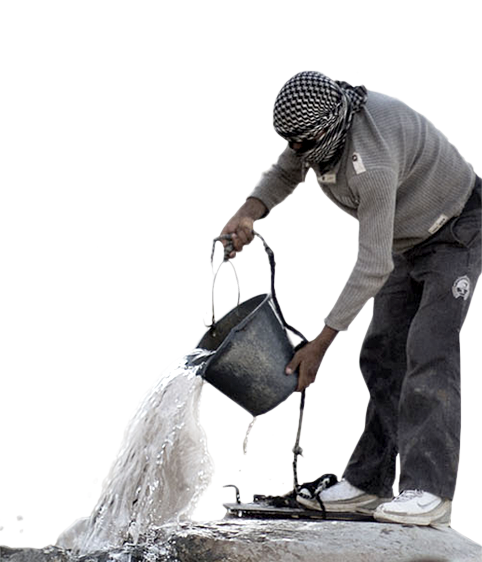
FAO works with governments to ensure water use in agriculture is made more efficient, equitable and environmentally friendly.
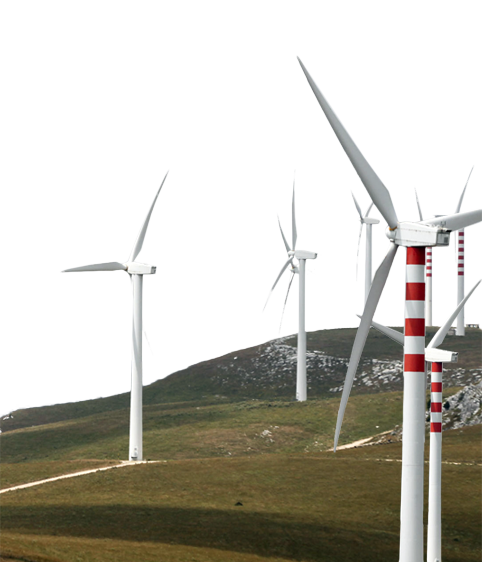
FAO promotes the use of renewable energies and works to ensure access to modern energy services across the food chain.
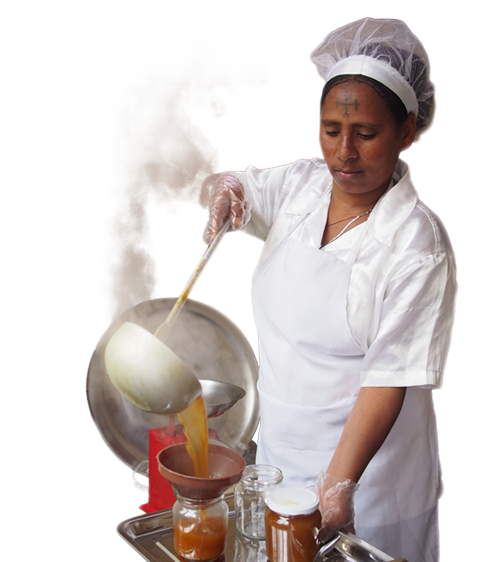
FAO seeks better economic opportunities for all by investing in sustainable agricultural practices and food systems that reduce inequalities and create decent jobs.
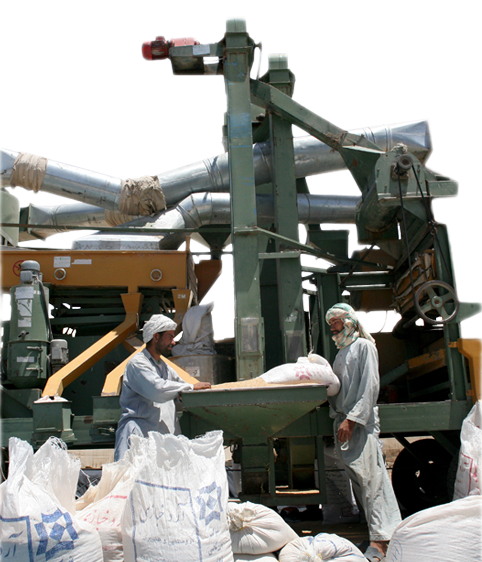
FAO seeks to secure a future for rural communities via investments in transportation, irrigation, food storage facilities and communication technologies.
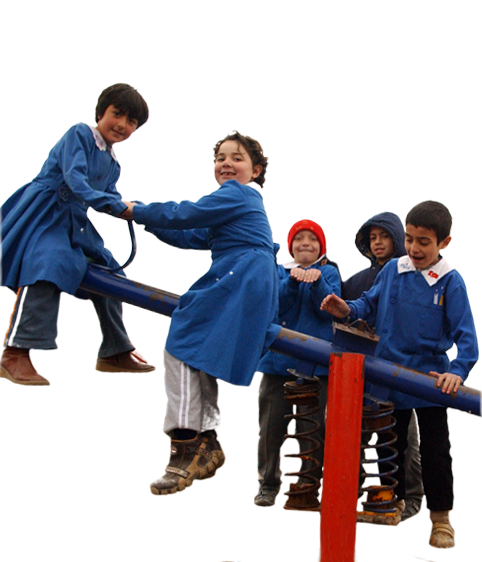
FAO works with countries and partners to generate employment in rural areas, ensure access to natural resources for the most vulnerable and connect farmers to markets.
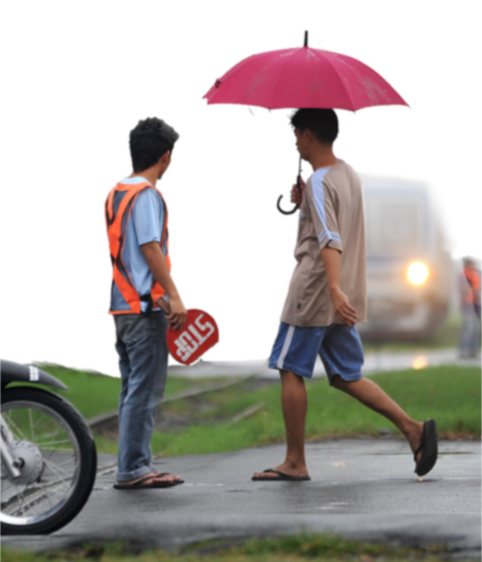
FAO works to improve urban healthcare, water quality and rethink city region food systems to help deter the negative effects of sprawling urbanisation.
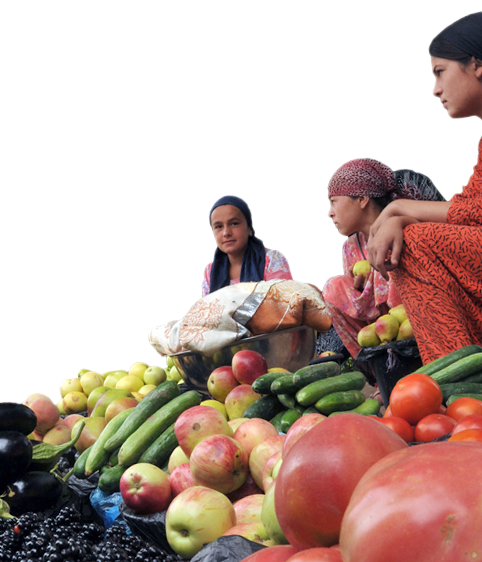
FAO coordinates major global initiatives and projects to tackle food waste and loss, partnering with international organisations, the private sector and civil society.
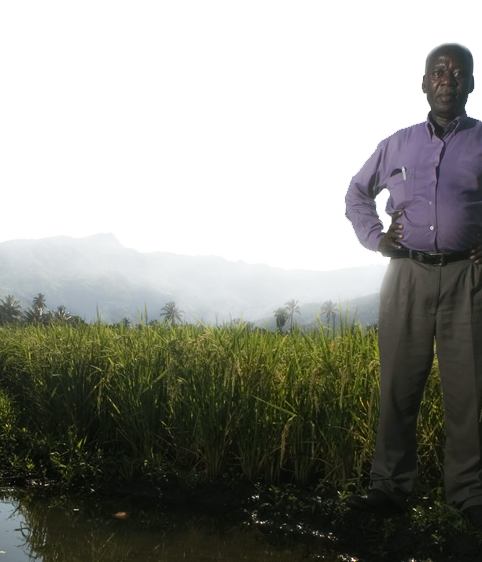
FAO supports countries in responding to the threats of climate change by providing advice, data and tools for better agricultural policies and practices.
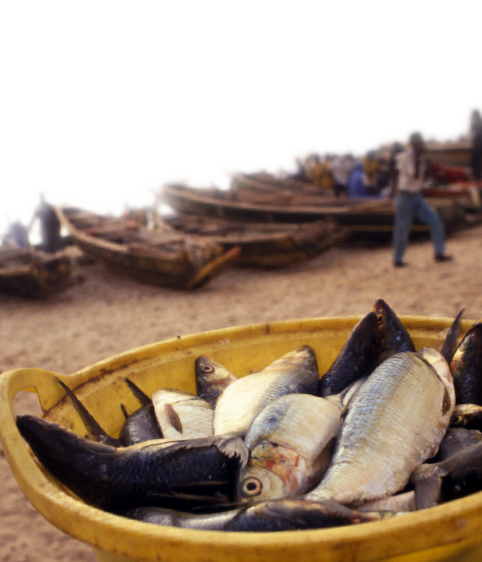
FAO, in partnership with governments and fishing communities, implements best practices in fisheries to ensure our oceans are protected as a means of livelihoods.
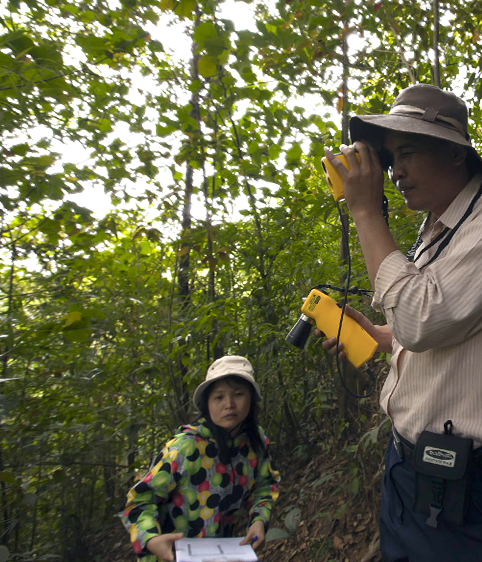
FAO promotes sustainable approaches to natural resource management and supports endeavours that promote a balance between conservation and development initiatives.
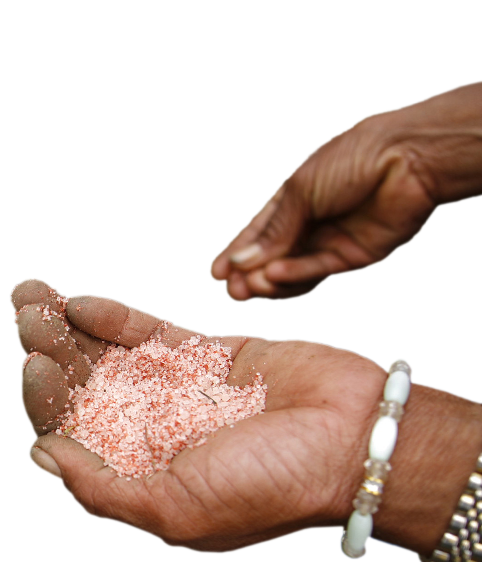
FAO plays a critical role in peacebuilding, restoring rural livelihoods, building resilience and participatory approaches to policymaking.
FAO acts as a neutral policymaking forum and develops partnerships with all concerned with food and agriculture to ensure a world free from hunger.


FAO works with governments and partners to empower some of the world’s most marginalized people to end rural poverty.
FAO helps ensure food security by developing ways of growing food that will work in the future so that millions of people don’t go hungry.
Good health starts with nutrition. FAO sets global standards and works with governments and the private sector to ensure food quality and safety throughout the food chain.
FAO invests in educational systems for rural communities and supports improved access to primary education and school meals in order to create equal opportunities for all and chances of lifelong learning.
FAO supports gender equality in the agricultural sector in an effort to raise levels of nutrition in local communities and improve agricultural productivity.
FAO works with governments to ensure water use in agriculture is made more efficient, equitable and environmentally friendly.
FAO promotes the use of renewable energies and works to ensure access to modern energy services across the food chain.
FAO seeks better economic opportunities for all by investing in sustainable agricultural practices and food systems that reduce inequalities and create decent jobs.
FAO seeks to secure a future for rural communities via investments in transportation, irrigation, food storage facilities and communication technologies.
FAO works with countries and partners to generate employment in rural areas, ensure access to natural resources for the most vulnerable and connect farmers to markets.
FAO works to improve urban healthcare, water quality and rethink city region food systems to help deter the negative effects of sprawling urbanisation.
FAO coordinates major global initiatives and projects to tackle food waste and loss, partnering with international organisations, the private sector and civil society.
FAO supports countries in responding to the threats of climate change by providing advice, data and tools for better agricultural policies and practices.
FAO, in partnership with governments and fishing communities, implements best practices in fisheries to ensure our oceans are protected as a means of livelihoods.
FAO promotes sustainable approaches to natural resource management and supports endeavours that promote a balance between conservation and development initiatives.
FAO plays a critical role in peacebuilding, restoring rural livelihoods, building resilience and participatory approaches to policymaking.
FAO acts as a neutral policymaking forum and develops partnerships with all concerned with food and agriculture to ensure a world free from hunger.