

WASHINGTON — Rep. Thomas Massie, R-Crescent Springs, and Rep. Lauren Boebert, R-Colo., have introduced a bill they said protects the public from warrantless government searches.
The legislation comes in response to the government’s use of warrantless surveillance technologies such as facial recognition systems and automated license plate readers, the lawmakers said.
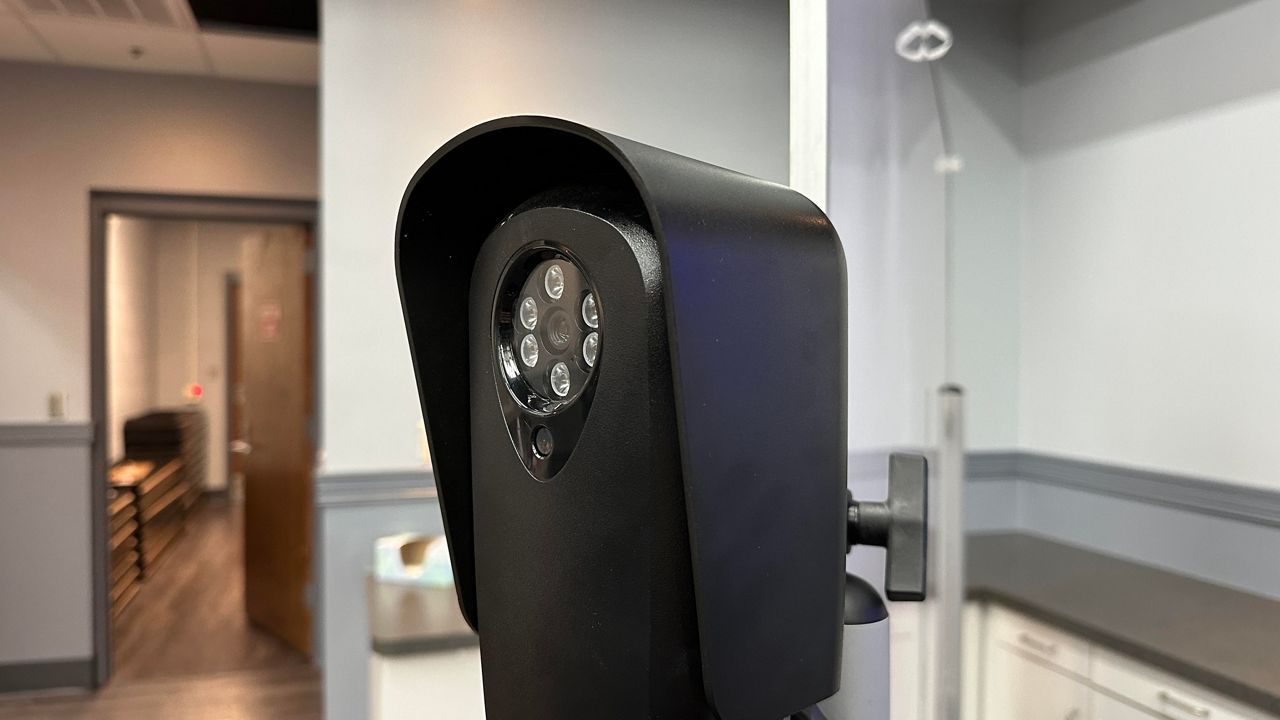
The debate in Congress over Section 702 of the Foreign Intelligence Surveillance Act, which authorizes certain surveillance activities, is “missing the forest for a single tree,” Massie told Spectrum News Thursday.
“There's an entire forest of bills and Supreme Court rulings, bad bills and bad Supreme Court rulings, that are used as precedent to spy on you, and that's what we want to address with this bill.”
The lawmakers’ Surveillance Accountability Act would, with some exceptions, close a loophole by requiring warrants to access information held by internet service providers, banks and data brokers; ban warrantless use of facial recognition and license plate reader systems tied to individuals; and allow government employees to be sued for privacy protection violations, according to a news release.
Massie noted that surveillance has been an active topic in the Kentucky Legislature, which recently passed a measure that would create statewide regulations for the use of automated license plate readers.
“As my co-chair … Rep. Boebert from Colorado, mentioned, they'll know when you drop your kids off at school,” Massie said. “They'll know if you went to a gun range. They'll know when you went to the doctor's office. They'll know how fast you were driving on I-64.”
Massie and Boebert previously teamed up to force a vote on the release of the Justice Department’s files related to sex offender Jeffrey Epstein.
Massie had to use a legislative maneuver called a discharge petition to bypass Republican leadership to do that, and he said he is considering the same approach to advance the Surveillance Accountability Act.