- About Chula
- History
- Vision & Strategy
- CU Symbol
- Green University
- Fact & Stats
- Report misconduct complaints
Overview
- Introduction to Chula Introduction to Chula
- History History
- Main Mission Main Mission
- CU 100 Years CU 100 Years
- Fact & Stats Fact & Stats
- Visiting Dignitaries Visiting Dignitaries
- University Rankings University Rankings
- Program Accreditation Program Accreditation
Green University
- Chula Zero Waste Chula Zero Waste
- CU Shuttle Bus CU Shuttle Bus
- MuvMi MuvMi
- Chula For Sustainable Development Chula For Sustainable Development
- Chulalongkorn University Sustainability Report Chulalongkorn University Sustainability Report
Administration
- Vision and Strategy Vision and Strategy
- Organizational Structure Organizational Structure
- University Council University Council
- Disclosure of information to the public Disclosure of information to the public
Donate to Chula
- Why Give to Chula Why Give to Chula
- Donate Now Donate Now
- E-Donation System E-Donation System
- CU Centenary Fund CU Centenary Fund
- CU Cancer Immunotherapy Fund CU Cancer Immunotherapy Fund
- CU Centennial Park Project CU Centennial Park Project
CU Symbol
- Phra Kieo Phra Kieo
- The Colour Pink The Colour Pink
- Rain Tree Rain Tree
- Uniform Uniform
- Song Song
- Degree Degree
- CU Brand Resources CU Brand Resources
- CU Gallery CU Gallery
Online Reporting System
- Report Corruption & Misconduct (Chula) Report Corruption & Misconduct (Chula)
- Report Corruption & Misconduct (NACC) Report Corruption & Misconduct (NACC)
- Report Corruption & Misconduct (PACC) Report Corruption & Misconduct (PACC)
Contact
- CU Departments CU Departments
- CU Telephone Directory CU Telephone Directory
- Chula Map Chula Map
- Map & Directions Map & Directions
- Report Misconduct Complaints Report Misconduct Complaints
- Work with Chula Work with Chula
Programs
- Thai Programs Thai Programs
- International Programs International Programs
Admissions
- Tuition & Fees Tuition & Fees
- Scholarship Scholarship
Academic Units
- Faculties, Schools, Colleges and Institutes Faculties, Schools, Colleges and Institutes
- Office of the Registrar Office of the Registrar
- Office of Information Technology Office of Information Technology
- Office of Student Affairs Office of Student Affairs
- Office of International affairs and Global Network Office of International affairs and Global Network
- General Education Center General Education Center
- myCourseVille myCourseVille
- Research & Innovation
- CU Innovation Hub
- Chula DigiVerse
- Office of Research Affairs (ORA)
- Research Funding
Research & Innovation
- Chula DigiVerse Chula DigiVerse
- CU Innovation Hub CU Innovation Hub
- Office of Researh Affairs (ORA) Office of Researh Affairs (ORA)
- Research & Innovation News Research & Innovation News
- Chula DigiVerse Chula DigiVerse
- CU Social Innovation Hub CU Social Innovation Hub
- CU-Daily Research CU-Daily Research
Research Funding
- Research Funding Research Funding
- The Research Strategy funding The Research Strategy funding
- Overseas Grant Overseas Grant
- The Second Century Fund Office (C2F) The Second Century Fund Office (C2F)
Research Departments
- Office of Research Affairs (ORA) Office of Research Affairs (ORA)
- Chulalongkorn University Intellectual Property Institute Chulalongkorn University Intellectual Property Institute
Life at Chula
- Library and Creative Spaces Library and Creative Spaces
- Accommodation Accommodation
- Sports & Active Living Sports & Active Living
- Activities and Clubs Activities and Clubs
- Campus Dining & Cafés Campus Dining & Cafés
- Around Chula Campus Around Chula Campus
- Life in Bangkok Life in Bangkok
- Life in Thailand (Get to Know Thailand) Life in Thailand (Get to Know Thailand)
- Student Wellness Student Wellness
Student Services
- CU Health Service Center CU Health Service Center
- Student Wellness Unit Student Wellness Unit
- Chula MOOC Chula MOOC
- CUVIP CUVIP
Services
- Medical Services Medical Services
- Quality Assurance Services Quality Assurance Services
- Information Services Information Services
- Creative Space Creative Space
- Museums Museums
- About
- Back
- About Chula
- History
- Vision & Strategy
- CU Symbol
- Green University
- Fact & Stats
- Report misconduct complaints
Overview
- Introduction to Chula
- History
- Main Mission
- CU 100 Years
- Fact & Stats
- Visiting Dignitaries
- University Rankings
- Program Accreditation
Administration
- The President and Administrative Board
- Vision and Strategy
- Organizational Structure
- University Council
- Disclosure of information to the public
CU Symbol
Contact
- CU Departments
- CU Telephone Directory
- Chula Map
- Map & Directions
- Report Misconduct Complaints
- Work with Chula
Green University
- Chula Zero Waste
- CU Shuttle Bus
- MuvMi
- Chula For Sustainable Development
- Chulalongkorn University Sustainability Report
- Academics
- Research & Innovation
- Back
- Research & Innovation
- CU Innovation Hub
- Chula DigiVerse
- Office of Research Affairs (ORA)
- Research Funding
Research & Innovation
- Chula DigiVerse
- CU Innovation Hub
- Office of Researh Affairs (ORA)
- Research & Innovation News
- Chula DigiVerse
- CU Social Innovation Hub
- CU-Daily Research
Research Funding
Research Departments
- Life at Chula
- International students
- News & Knowledge
History of Chulalongkorn University
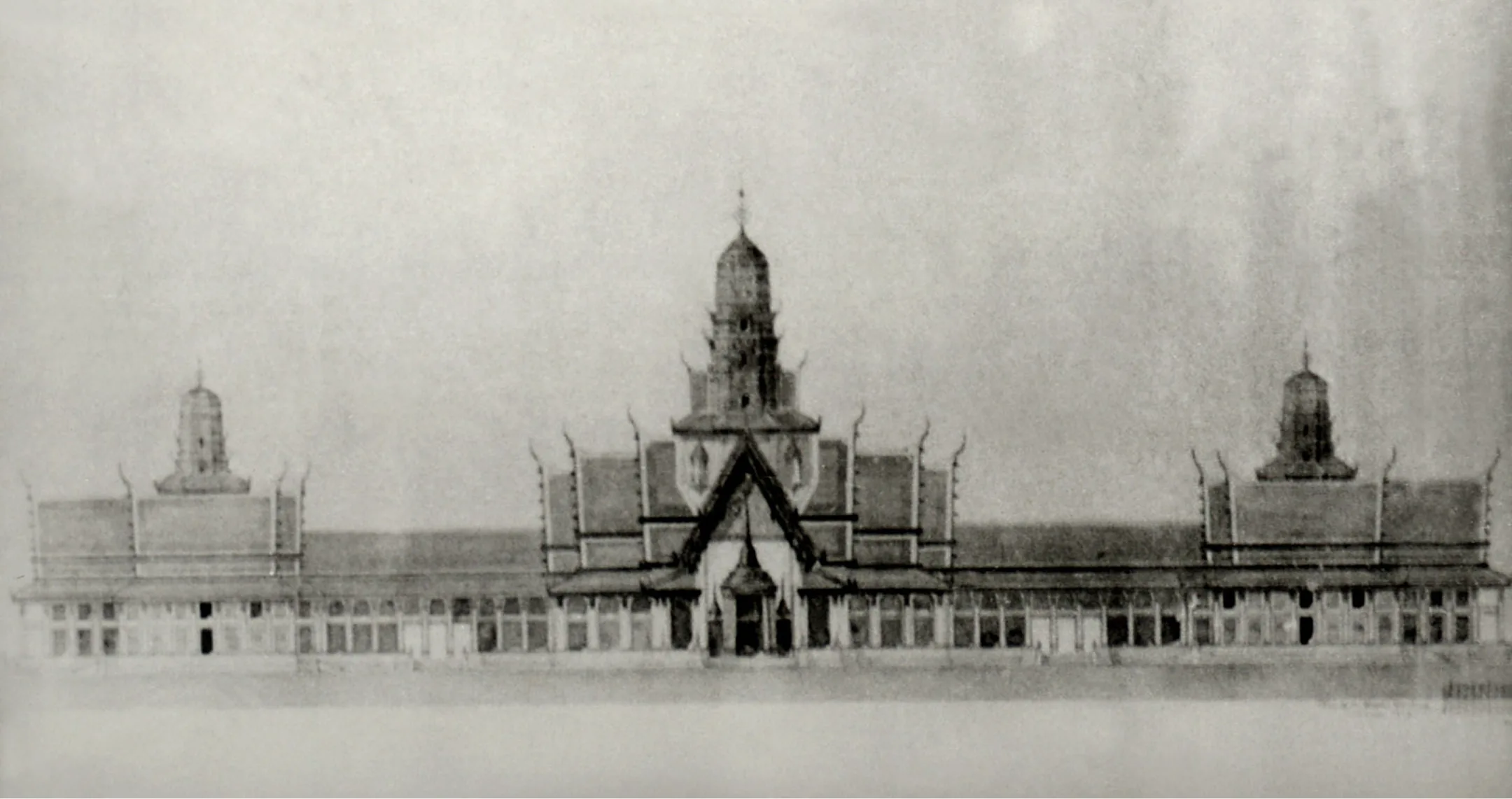
Chulalongkorn University is Thailand’s first institution of higher education, established under a royal educational policy aimed at providing equal learning opportunities for all Thais, regardless of social class. It has served as a crucial foundation for the development of education and knowledge in the country.
“From my own children down to the lowest of the common people, everyone from royalty to nobility will have equal opportunities for education. Therefore, I can say that education in our country is of paramount importance, and I will strive to develop it further.”— Royal Address by His Majesty King Chulalongkorn to a meeting of the Royal Family and government officials on the occasion of his visit to Suan Kularb Palace School, 1884.
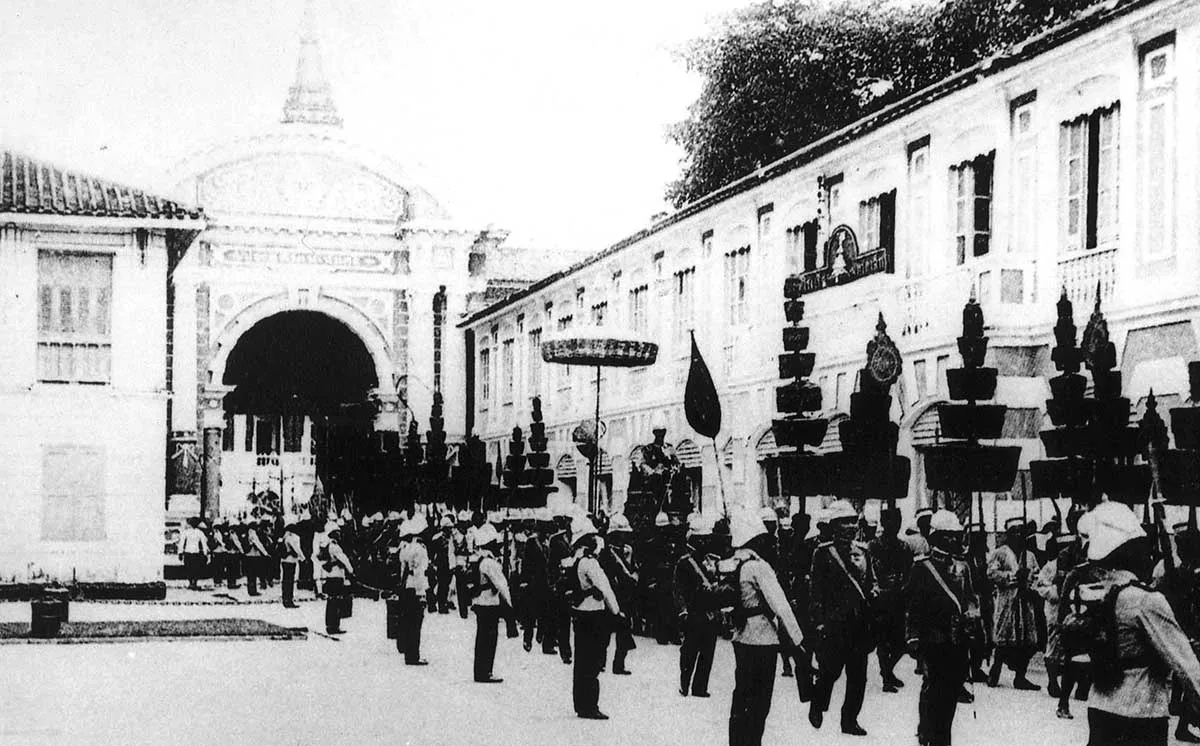
The beginning of higher education institutions.
Chulalongkorn University originated from a school established in 1899 by King Chulalongkorn to train civil servants. It was located in the Long Building next to the Phiman Chai Sri Gate in the Grand Palace. The institution was renamed the Royal Pages School on April 1, 1902, to produce personnel for government service in line with the royal policy of reforming the administrative system initiated in 1882.
Establishment as a university.
During the reign of King Rama VI, the government and private sectors required an increasing number of personnel with expertise in various fields. Recalling his father’s royal policy to “establish a university as an institution of higher education for the Siamese people,” King Rama VI ordered the establishment of the Royal Pages School as an institution of higher education and bestowed upon it the name “The Civil Service School of His Majesty King Chulalongkorn” on January 1, 1910.
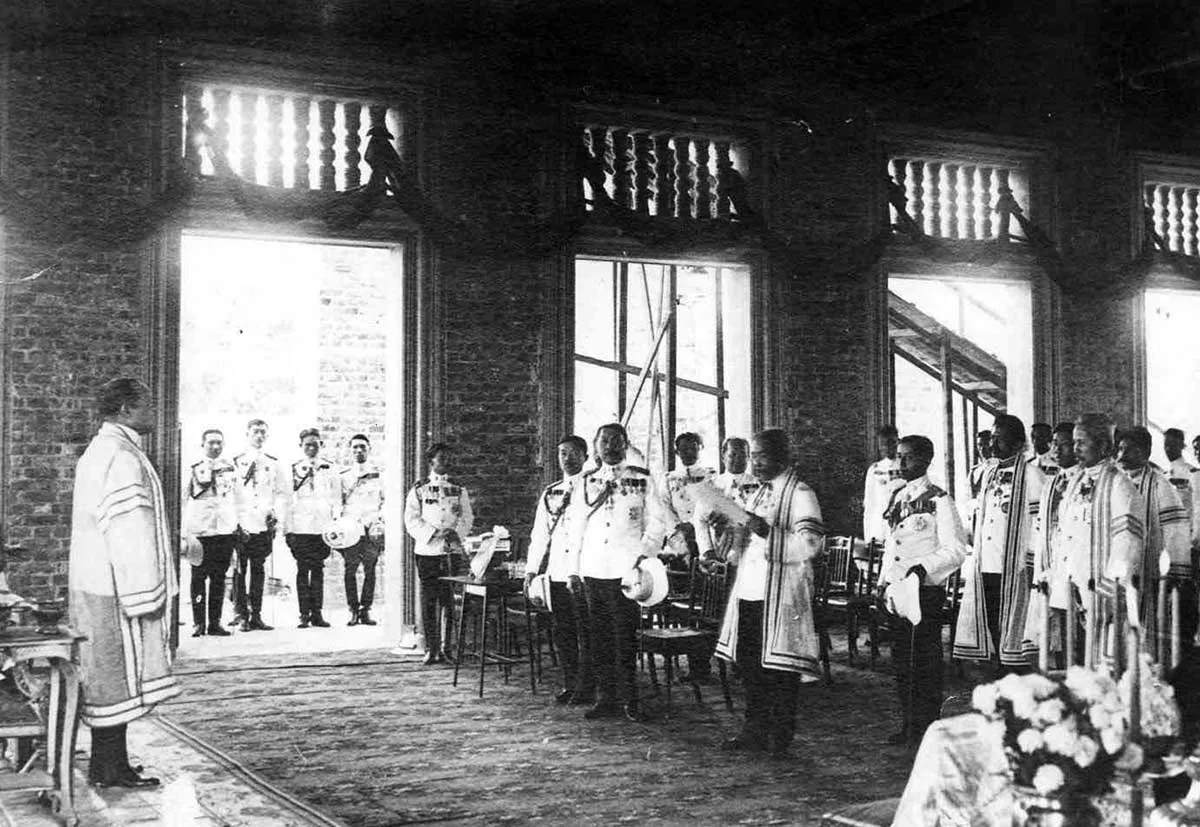
Later, King Vajiravudh (Rama VI) envisioned expanding educational opportunities not only for those pursuing government service but also for those seeking higher education in general. Therefore, on March 26, 1917, he established the Civil Service School as “Chulalongkorn University,” a royal monument to honor King Chulalongkorn.
Early educational management.
In its early years, Chulalongkorn University organized its education into four faculties: Public Administration, Medicine, Engineering, and Arts and Sciences. It offered eight academic departments: Government, Law, Diplomacy, Finance, Medicine, Engineering, Agriculture, and Teacher Education.
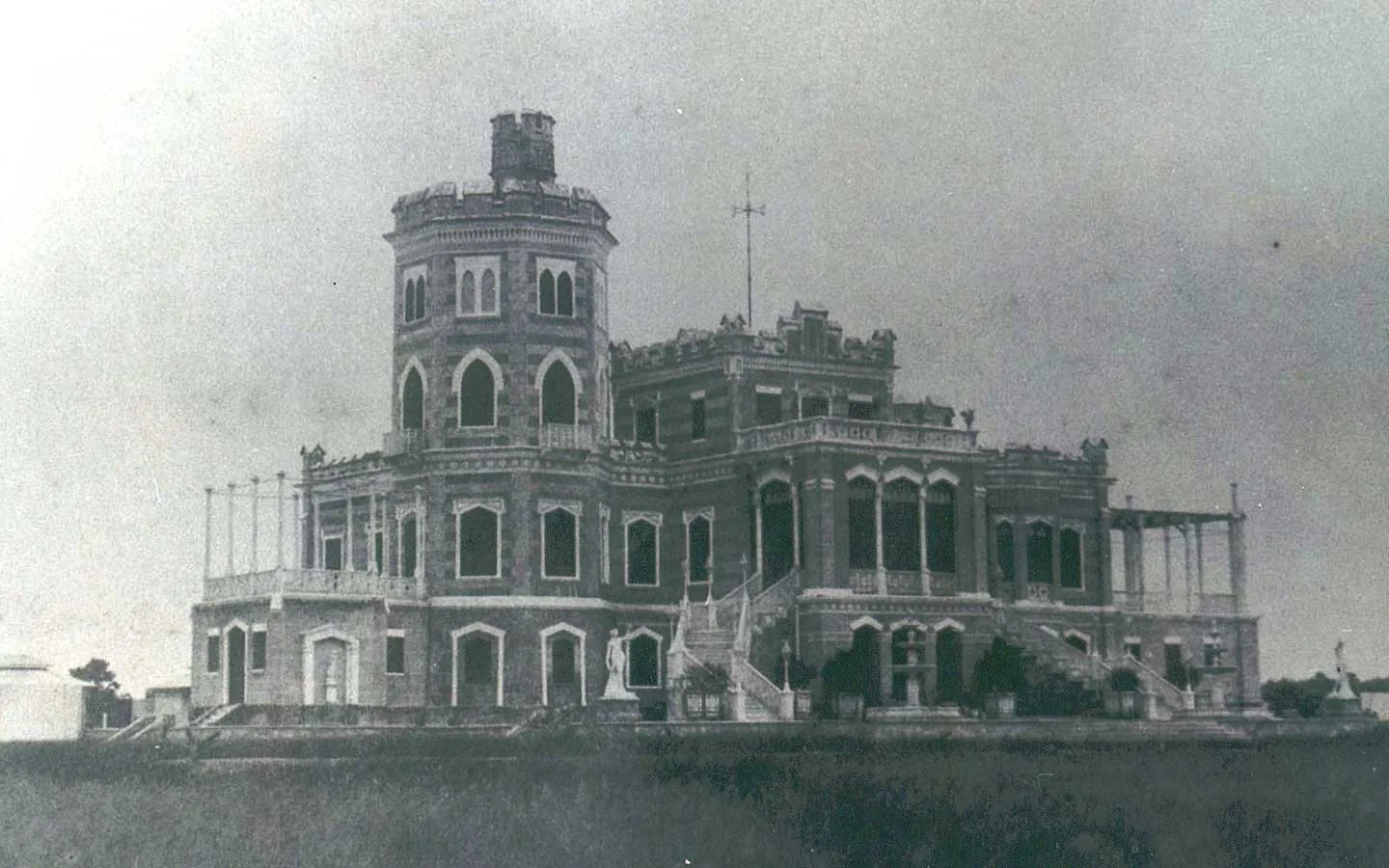
Growth and development over time.
Improvements were made to the standards of diploma-level education, and preparations for degree-level instruction were undertaken. Contact was established with the Rockefeller Foundation to assist with medical school teaching.
The university began admitting high school graduates to the Faculty of Medicine, and later revised the curriculum to admit high school graduates to four other faculties.
The focus began to shift toward teaching fundamental vocational subjects at the upper-secondary level, preparing students for university by requiring them to choose majors from the various faculties offered by universities, which led to the establishment of the Chulalongkorn University Preparatory School.
This period saw expanding educational opportunities, with a primary focus on undergraduate levels.
This period marked the expansion of undergraduate education and the development of graduate studies. It promoted research, the preservation and support of arts and culture, and academic services to society. Research institutes, service institutes, centers, and offices were established to ensure Chulalongkorn University became a research and development university, striving to be the best it could be in every way, befitting its status as a cherished monument to King Chulalongkorn, the beloved monarch of the Thai people.
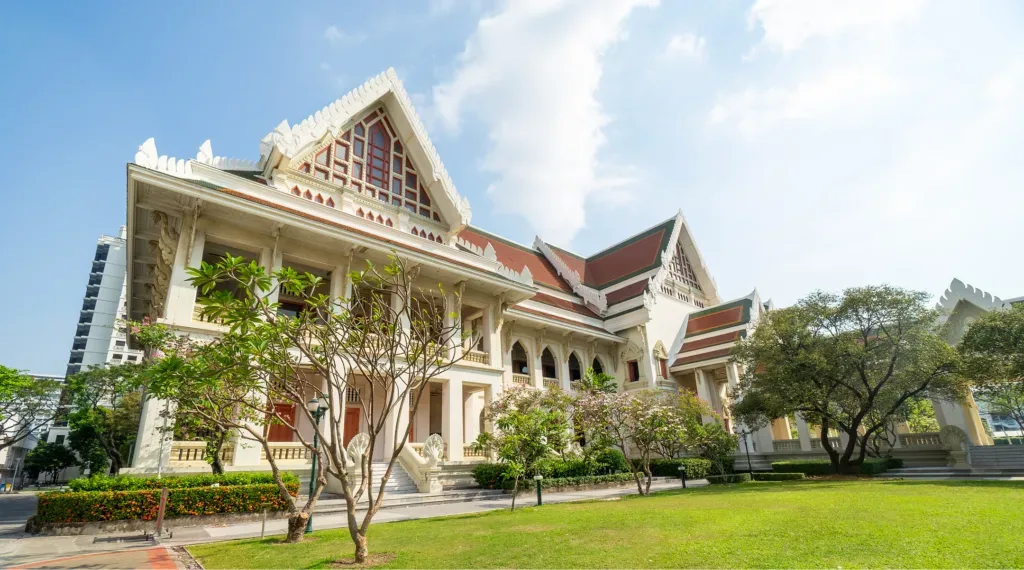
For over a century, Chulalongkorn University has evolved from a school for training civil servants into a leading national institution of higher education. It has continuously served as a center of knowledge, research, and social development in Thailand, under a royal educational philosophy that aims to provide people of all social strata with equal opportunities to learn. Thus, Chulalongkorn University is not merely an educational institution, but a monument of intellect to King Chulalongkorn (King Rama V) that remains alive and continues to grow together with Thai society to the present day.