Code Audit | Code Analysis That Reasons | Aikido Security
Find complex vulnerabilities hidden
in your source code
SAST catches known patterns. Agents find the auth & business logic flaws that static scanners can't find.
Your data won't be shared · Read-only access · No CC required
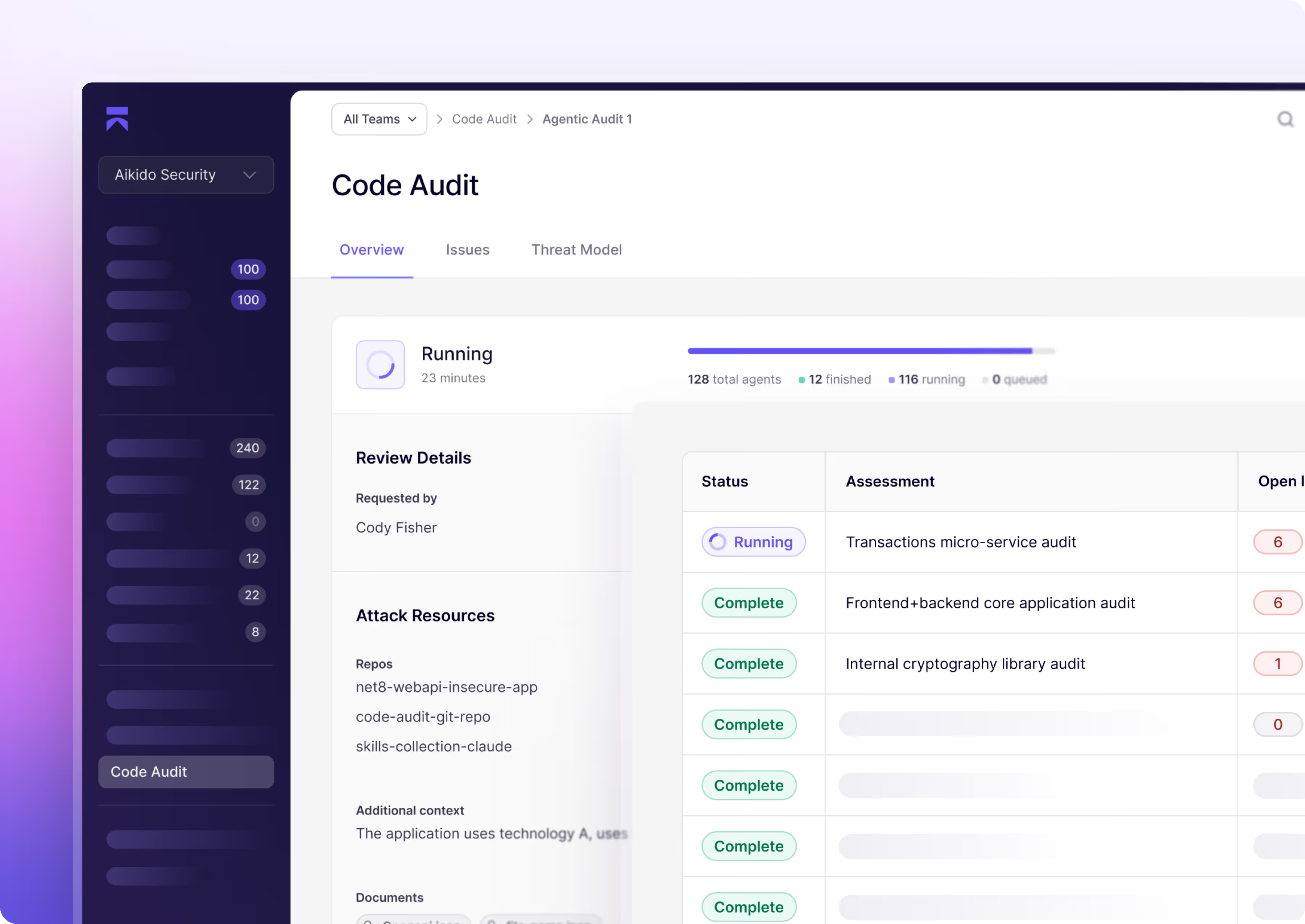

Vulnerabilities have been dormant in your codebase for years
SAST matches patterns. It misses logic. Business logic errors, race conditions,
broken auth checks don't show up in a scan. And now attackers have AI to find them for you.
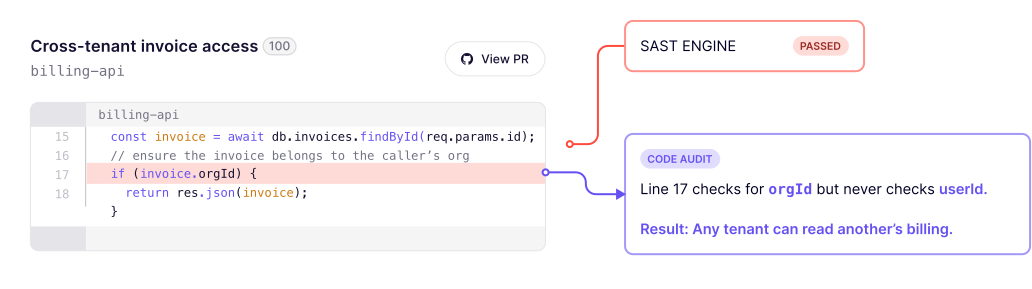
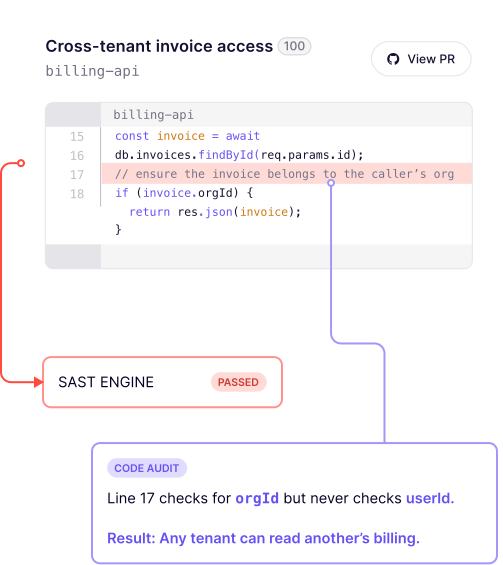
Code audit finds complex vulns that require advanced reasoning
Code Audit reasons over your source code, not a running app. Point it at one repo or many, including undeployed and feature-flagged code, with no staging environment or credentials to set up.
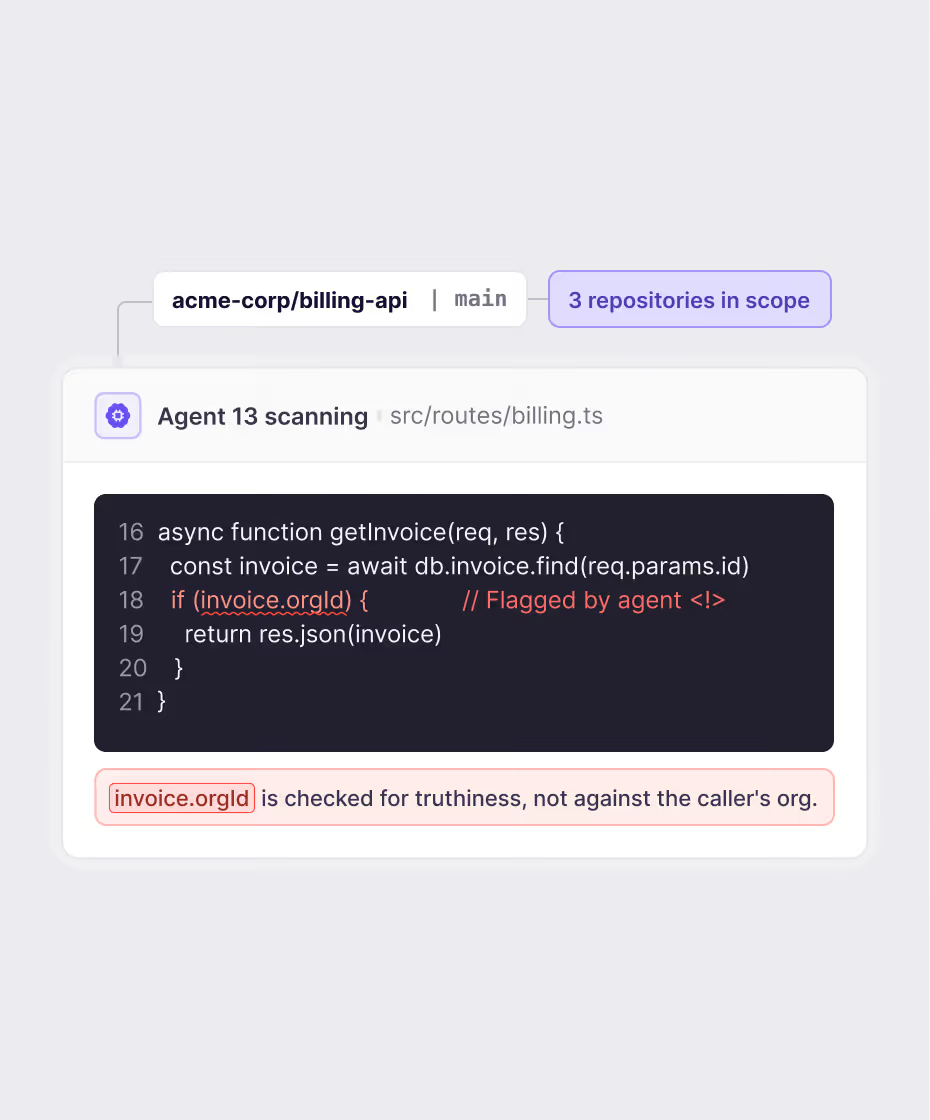
Eliminate risks that lay dormant
Mythos grade models can now surface vulnerabilities that have sat in your codebase for years. Fight fire with fire.
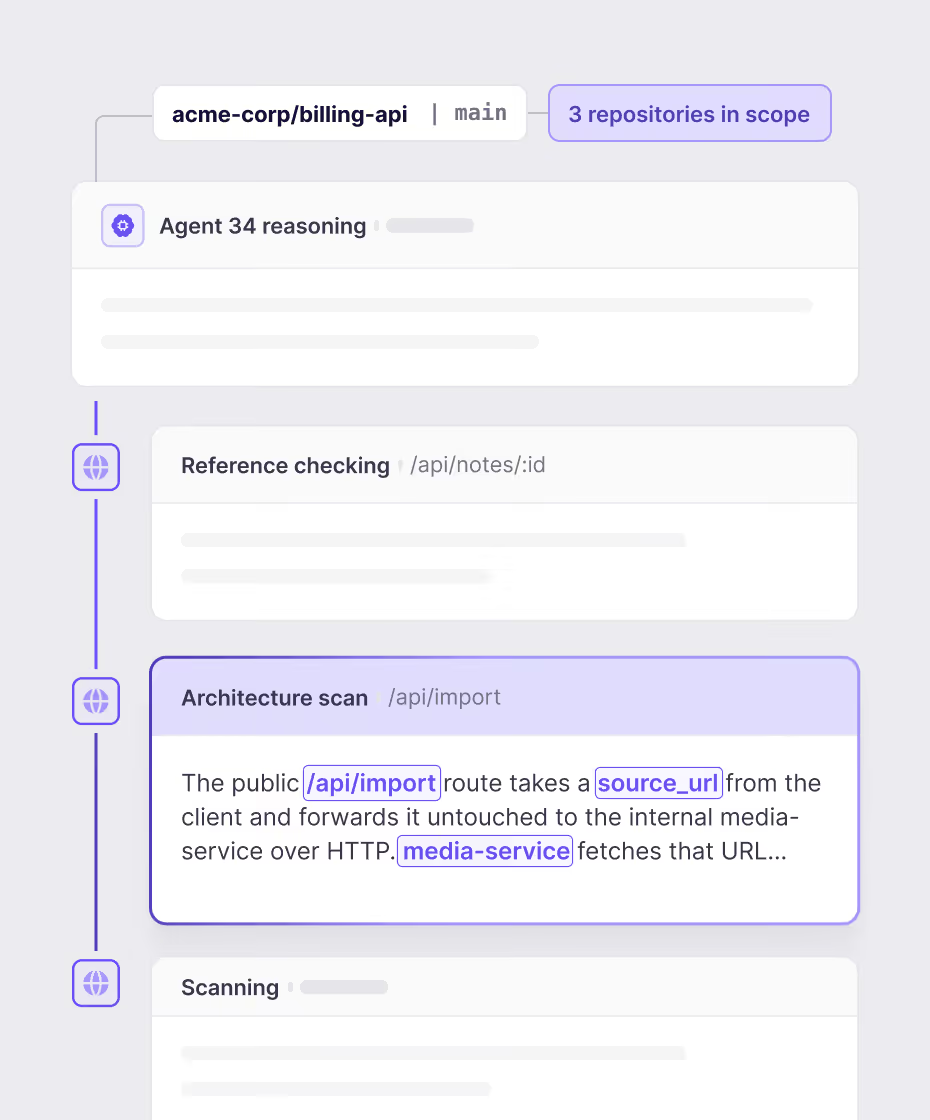
Catch vulns that span files and repos
Catches broken authorization, IDOR, and subscription-tier bypass by reasoning about what your code is supposed to do.
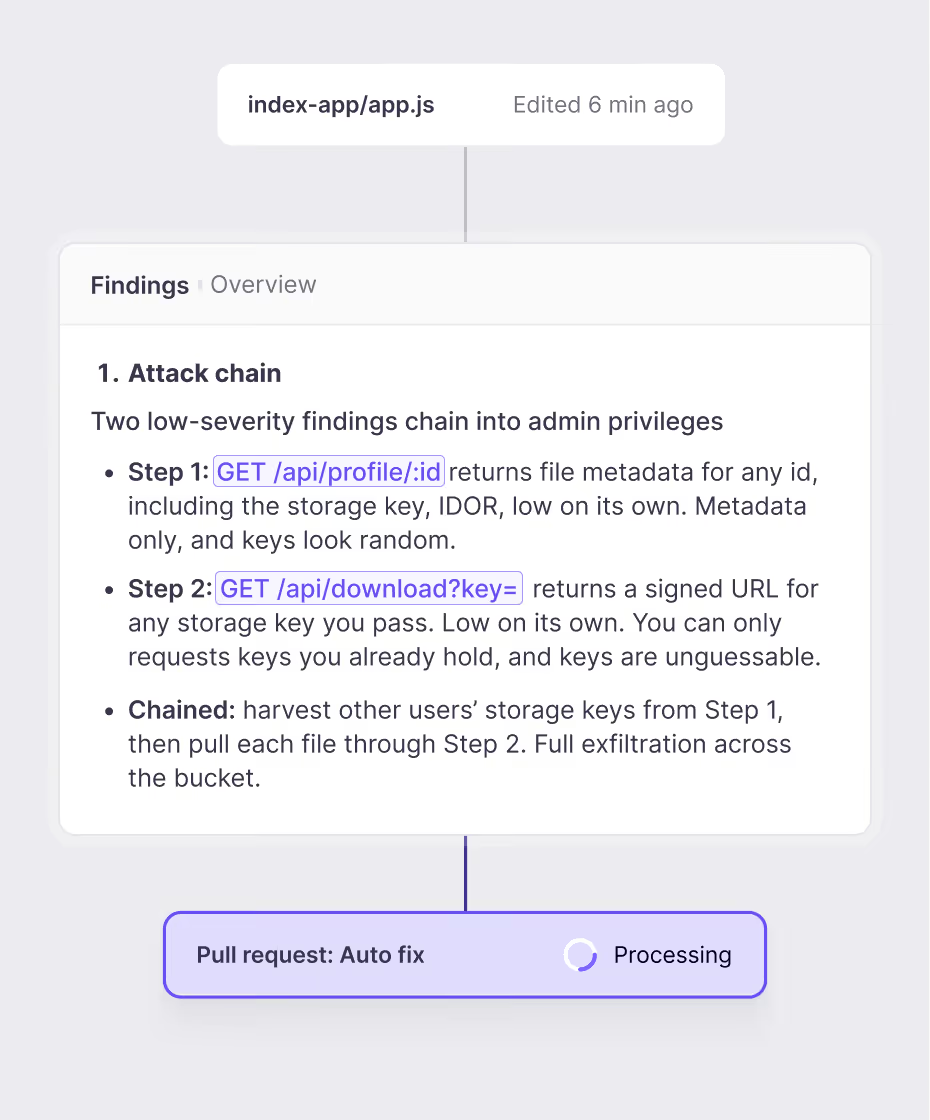
Remediate critical attack chains
Chains individually low-severity vulnerabilities into a single privilege-escalation path, find and fix severe vulns.
One agent, deployed through your existing MDM, gives security teams full visibility into AI tool usage and software installs across every developer workstation.

Aikido Code Audit explained in under 4 minutes
Learn how Aikido's agents find the auth & business logic flaws that static scanners can't find.
See Aikido in action
Enter your work email to view the video
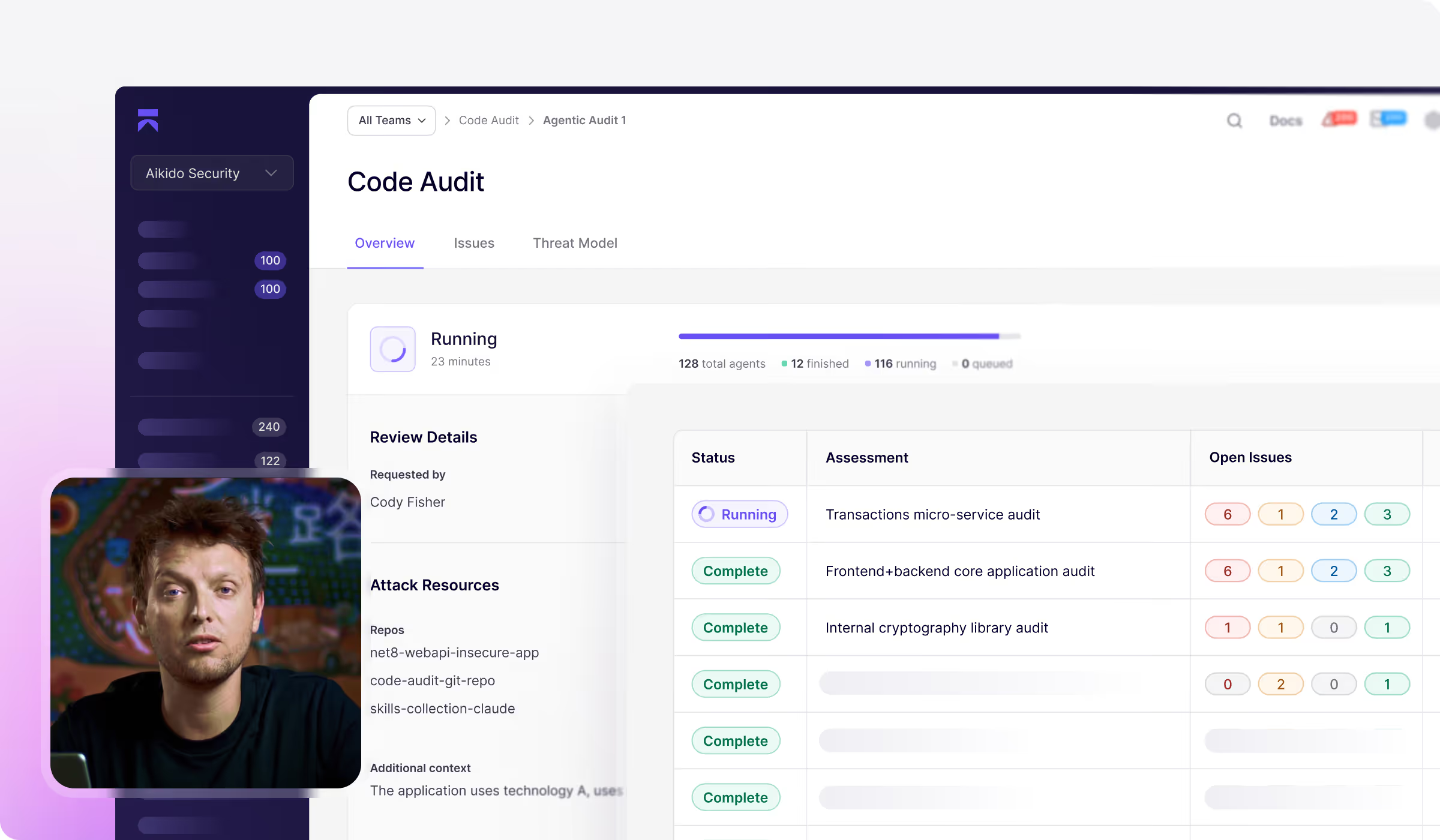
Autonomous security reasoning in three quick steps

Connect your repo
AI Code Audit runs on web apps, mobile, smart contracts, monorepos, and IaC straight from your repo, without staging URLs, auth setup, or agents to deploy.
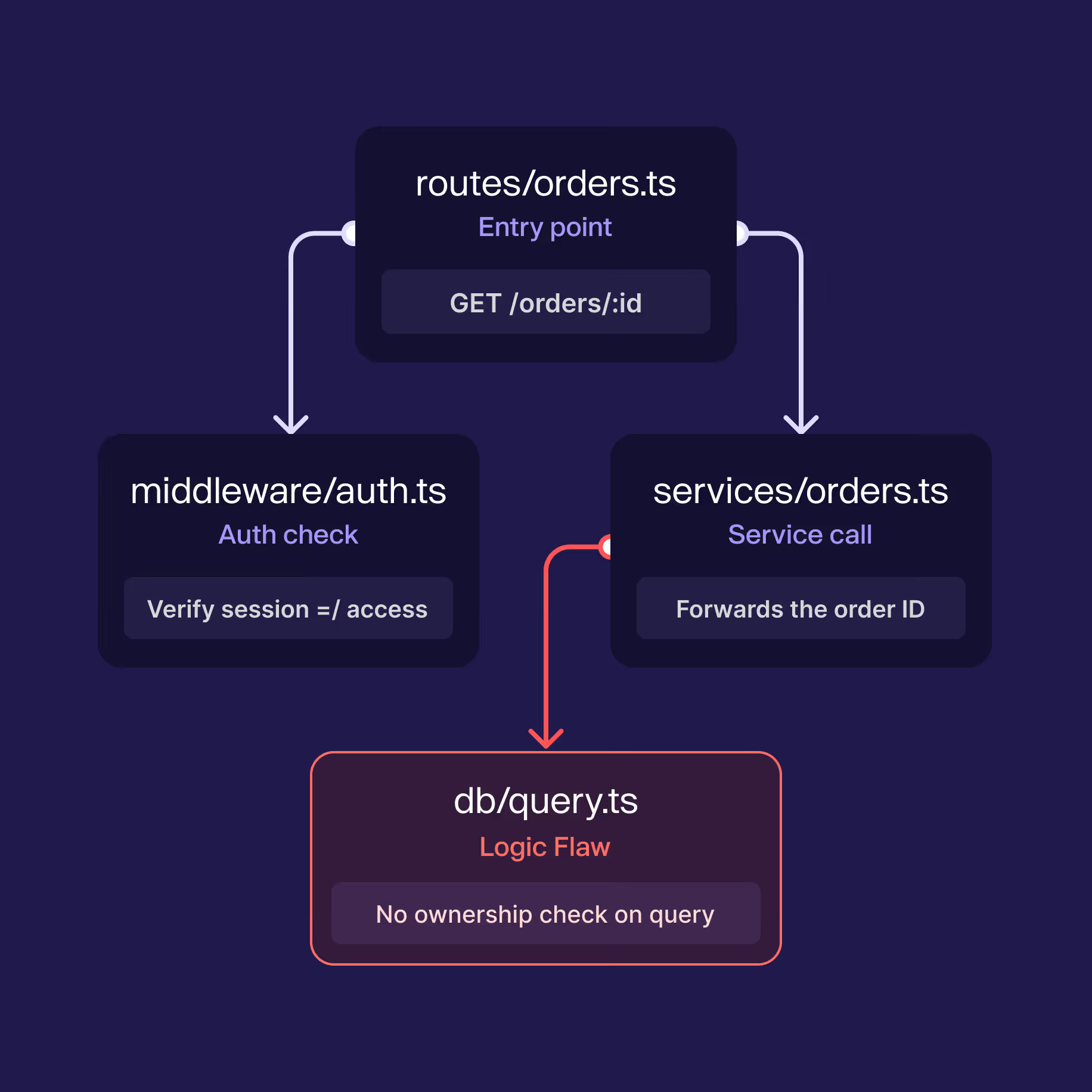
The agents reason across your codebase
The audit traces data flow, ownership checks, permission boundaries, and service interactions to catch where the logic breaks down, not just where a single line looks off.
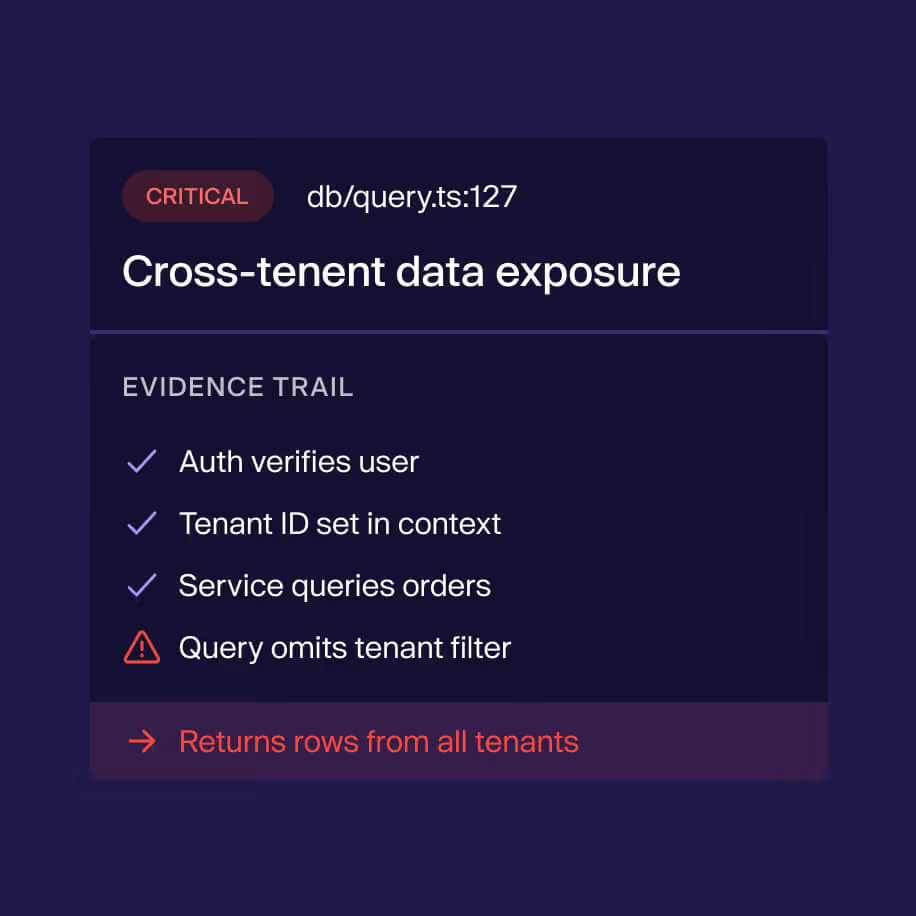
See exploitable findings with full evidence trails
Each finding shows what's vulnerable, why it's exploitable, and how an attacker would reach it, with a full reasoning trace.
Find complex vulnerabilities inside your codebase
Connect a repo to discover what the reasoning agents find in your codebase.
Or run it alongside your current SAST and see what you’re what's missing.
Static engines still have their place in the SDLC
When to use SAST
You want fast, every-commit feedback common vulns
You need broad, continuous coverage across every PR
You’re enforcing PR-time gates in CI/CD on known bad patterns
You want coverage for secrets exposed in Git history
When to use Code Audit
You want to catch logic and architectural flaws like IDORs, broken access control, business logic bypasses, and more
You need cross-file or cross-repo reasoning that follows references through services, modules and helpers
You’re auditing a high-stakes change, release, or codebase
You want deeper context on a specific finding
Start your code audit
Static scanners flag patterns like a tainted parameter, a risky API call, a missing check. Code Audit reasons about intent across your codebase to identify issues that need an attacker's perspective: IDORs, broken access control, multi-step exploit chains, and business logic flaws. It complements SAST rather than replacing it.
It reads and reasons about your source code directly. There's no crawl phase, no traffic replay, and no live exploitation. So there's no environment to point at. For live testing against a deployed target, use Aikido Pentest instead.
Supports ALL languages; no limitations whatsoever. Code Audit isn't limited to web apps. Agents reason across whatever source the connected repositories contain, including mobile apps, smart contracts, and desktop apps, across mainstream languages, configuration, and IaC. Monorepos with multiple services are fully supported.
Code Audit focuses agent attention on a coherent set of codebases. Beyond a certain number of repositories, analysis tends to lose focus and quality drops. Contact support if you genuinely need more in a single audit.
- Both products run on a similar agentic engine, but they answer different questions. Code Audit reasons about your source code. Aikido Pentest validates it on your running application.
- Use Code Audit when:
- You want deep code reasoning on logic and architectural flaws — IDORs, broken access control, multi-step chains — without configuring a live environment.
- You don't have a stable staging or QA target, or auth flows aren't ready for live testing.
- You need a fast turnaround with minimal setup: connect a repo, confirm credits, start.
- You want to validate changes in source before they ship to a live deployment.
- You have a difficult-to-test-live codebase, like mobile apps, desktop apps or smart contract
- Use Aikido Pentest when:
- You have a live target and want to validate real exploitability with real traffic.
- You want runtime evidence — reproduction requests, attack-surface mapping, and live agent activity.
- Your scope includes domains, authenticated user roles, and crawl-discovered endpoints beyond what's visible in source.
- You need a live penetration test to comply with SOC 2, ISO 27001, or similar compliance frameworks.
Code Audit reads and reasons about your source code directly. There's no crawl phase, no traffic replay, and no live exploitation, so there's no environment to point at. If you do want live testing against a deployed target, use Aikido Pentest instead.
Code Audit is in the sidebar menu in the Attack section.
Paid in Aikido credits. The Pricing step in the create flow shows the exact credit total before you commit. Cost depends on repo size and complexity.
Individual OWASP members get a 1-time, 200 free credits to try Code Audit. To claim the benefit:
1. Create a free Aikido account with your owasp.org email address
2. Submit your name and OWASP email address on the Aikido website to claim your credits.